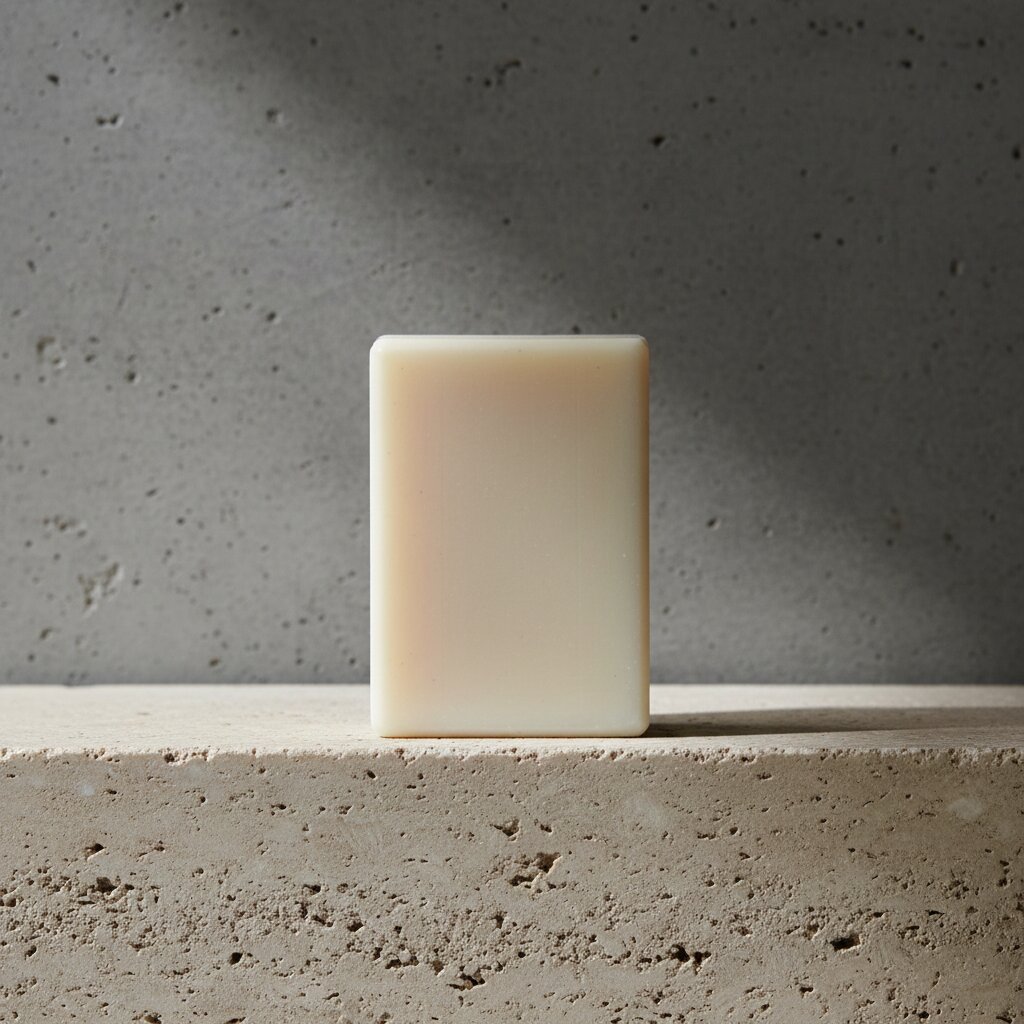
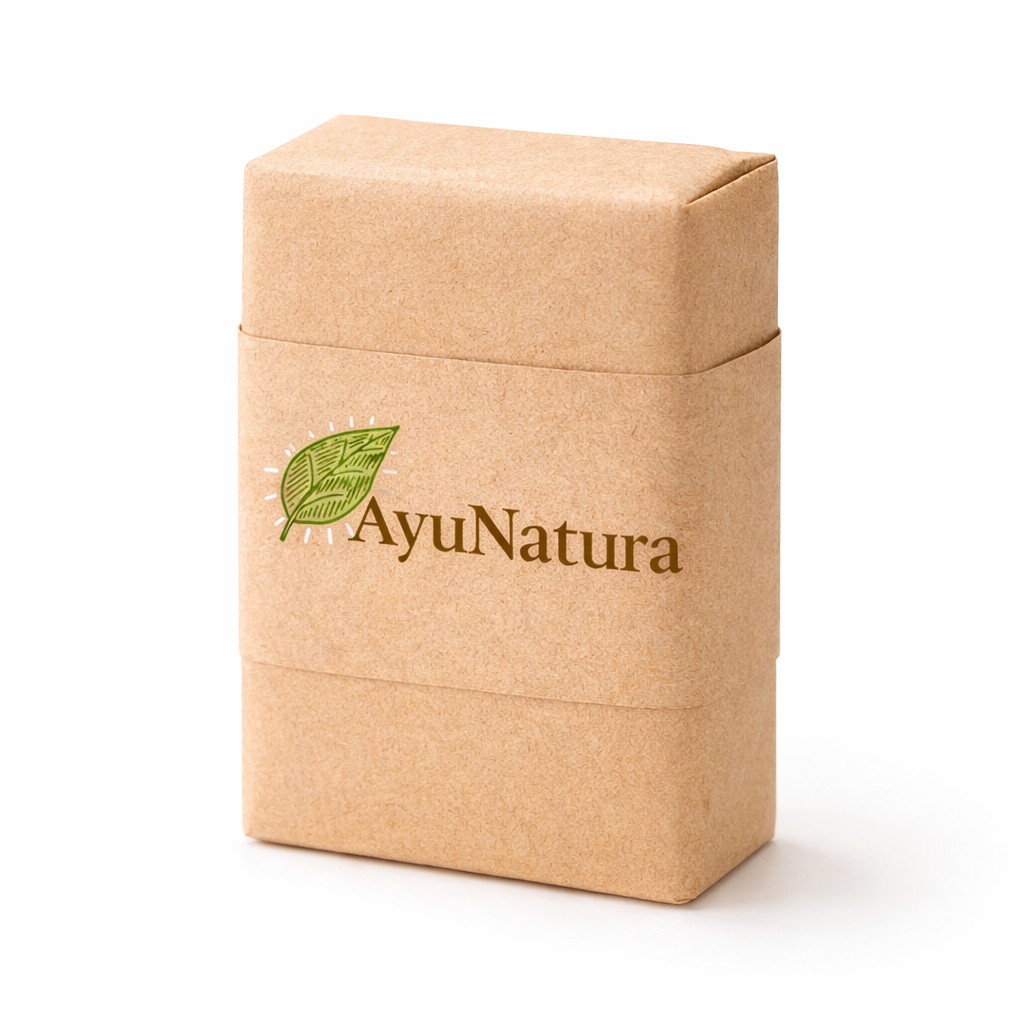
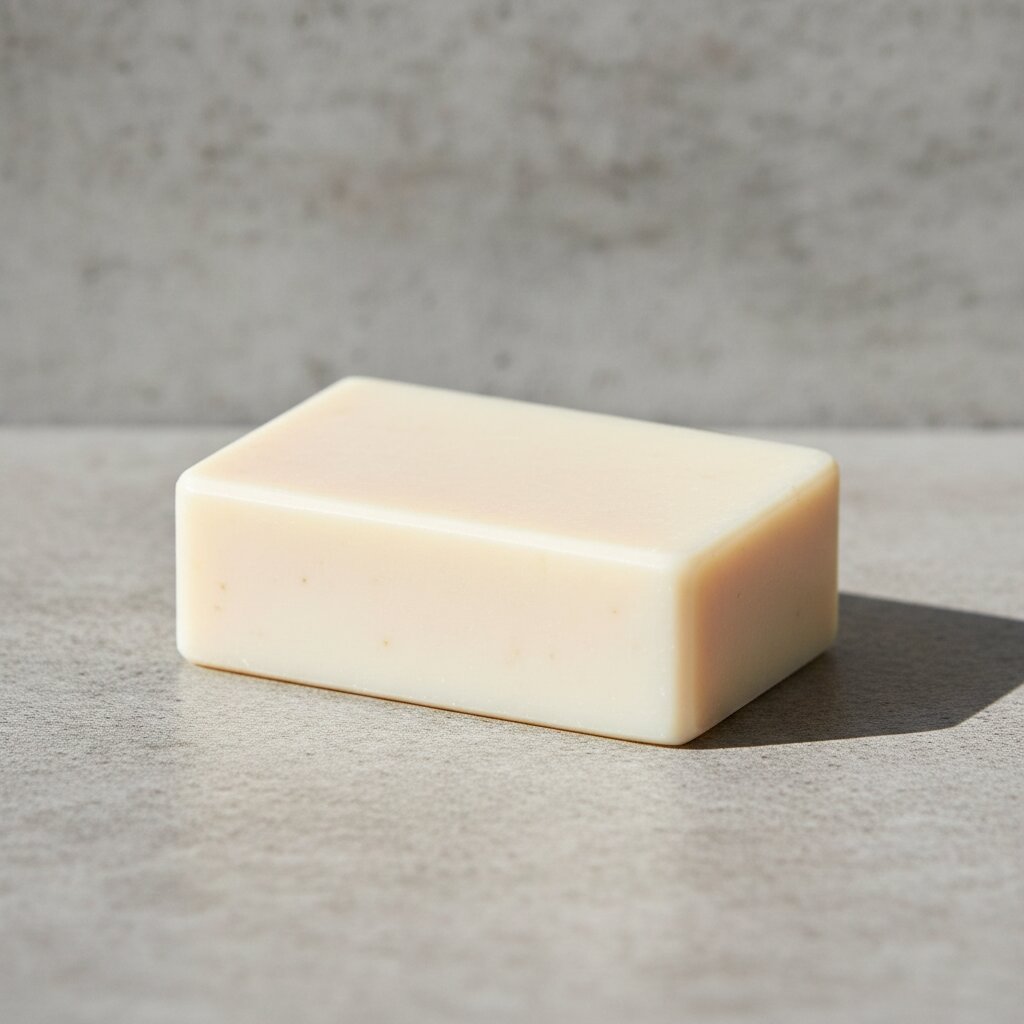
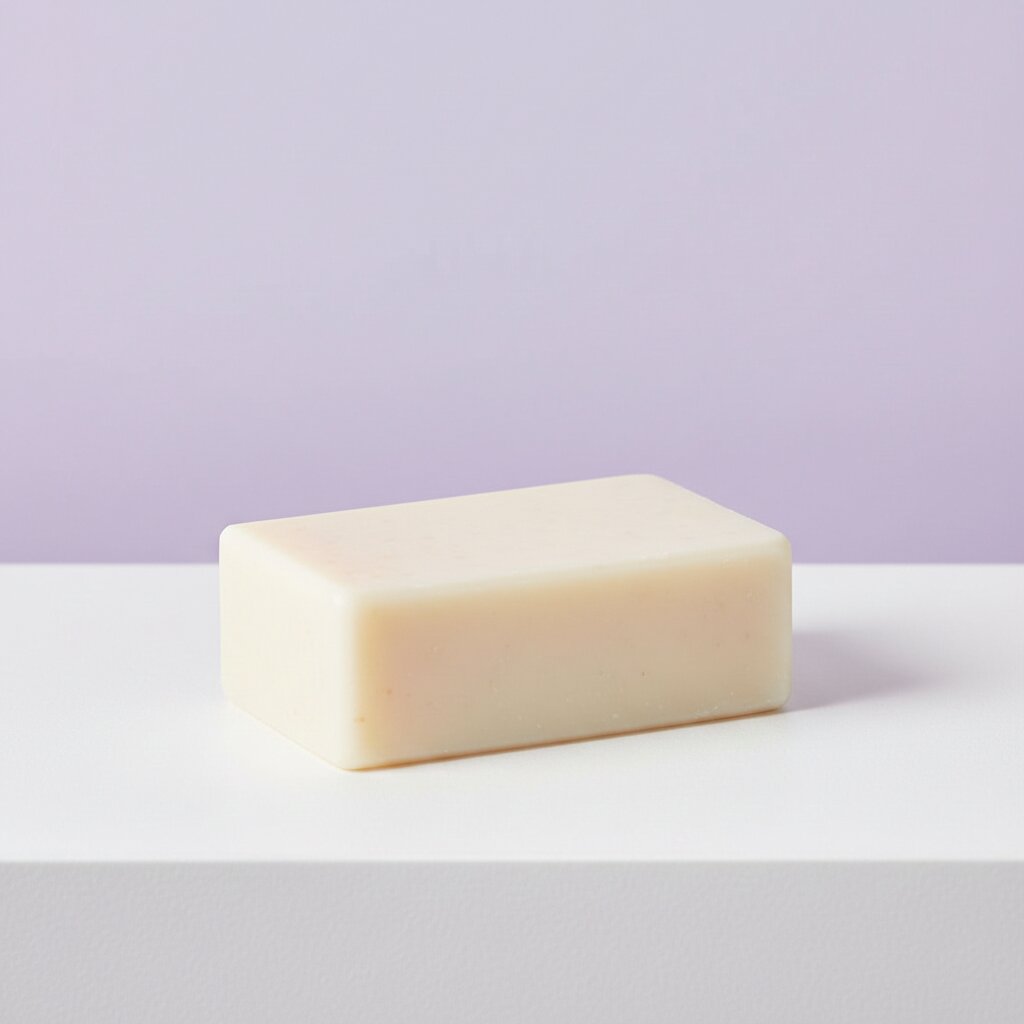
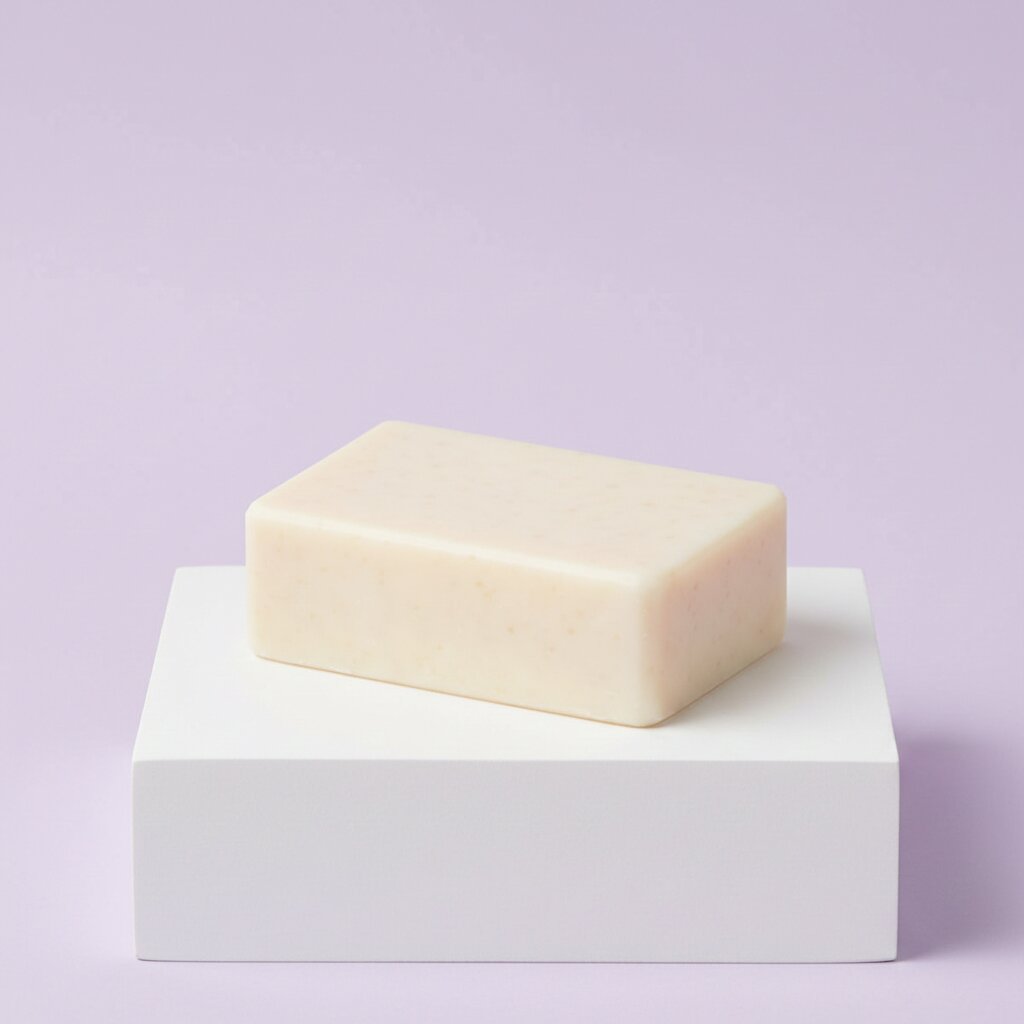
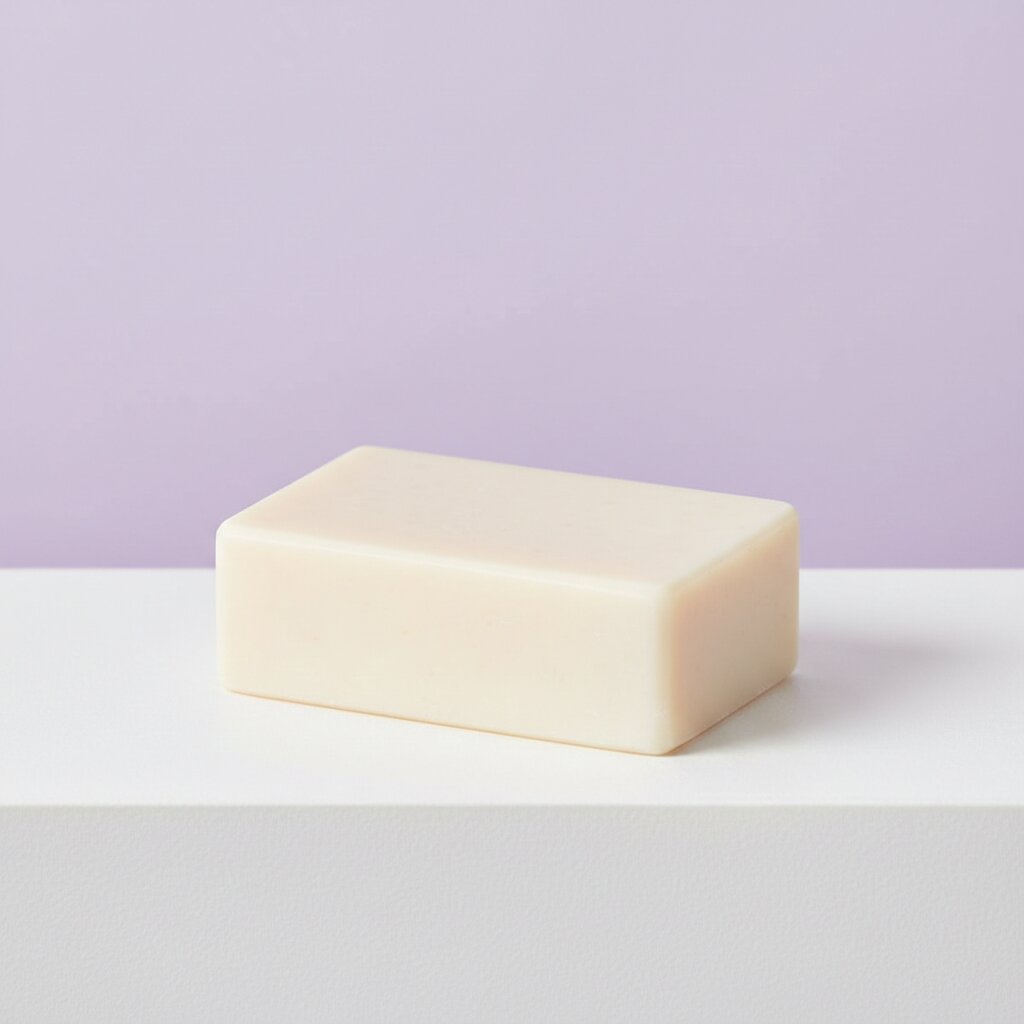
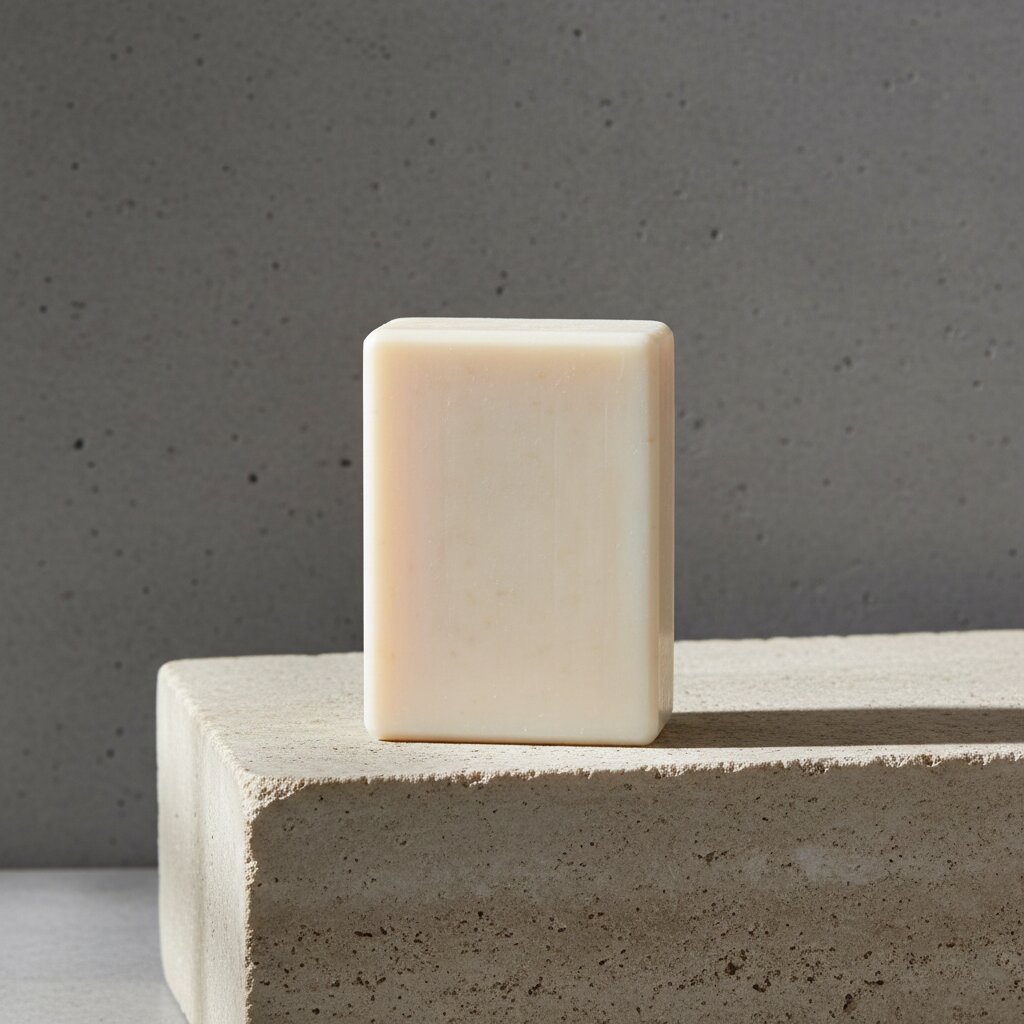
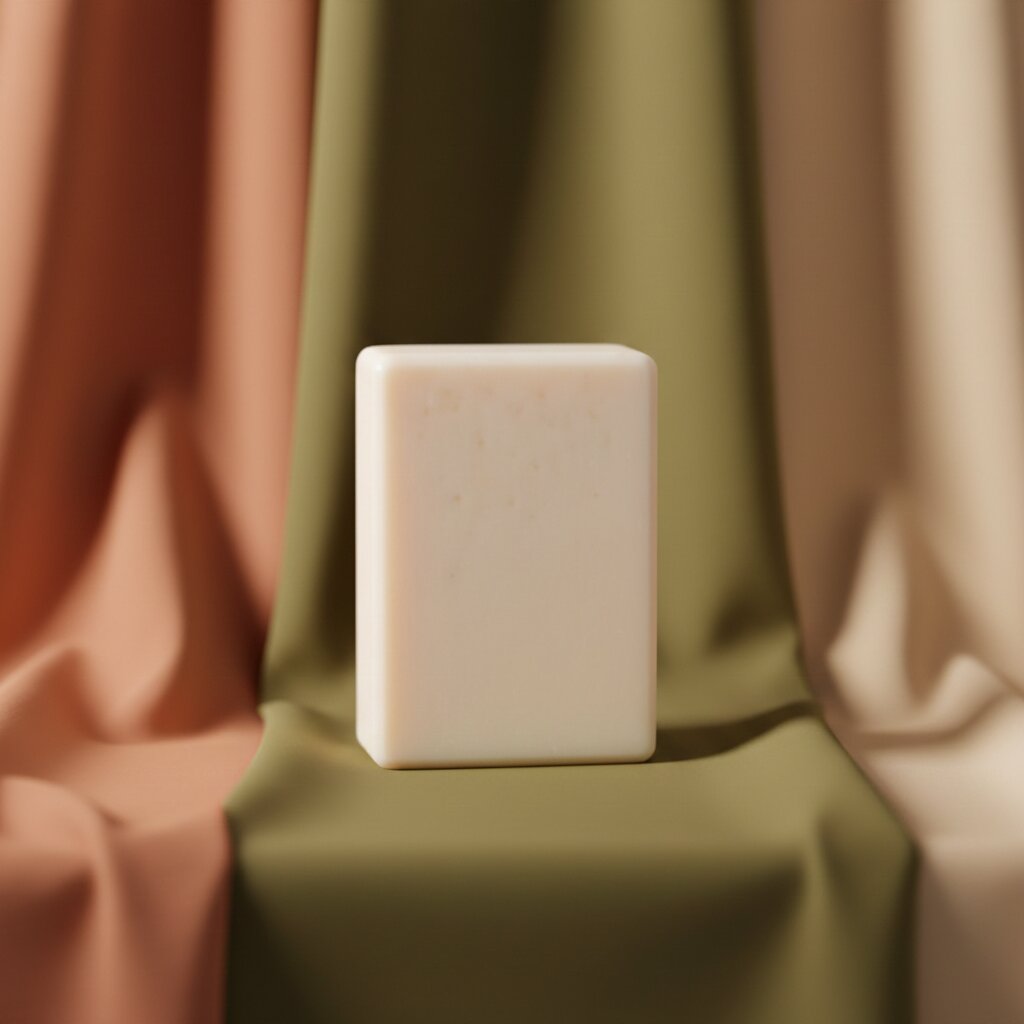
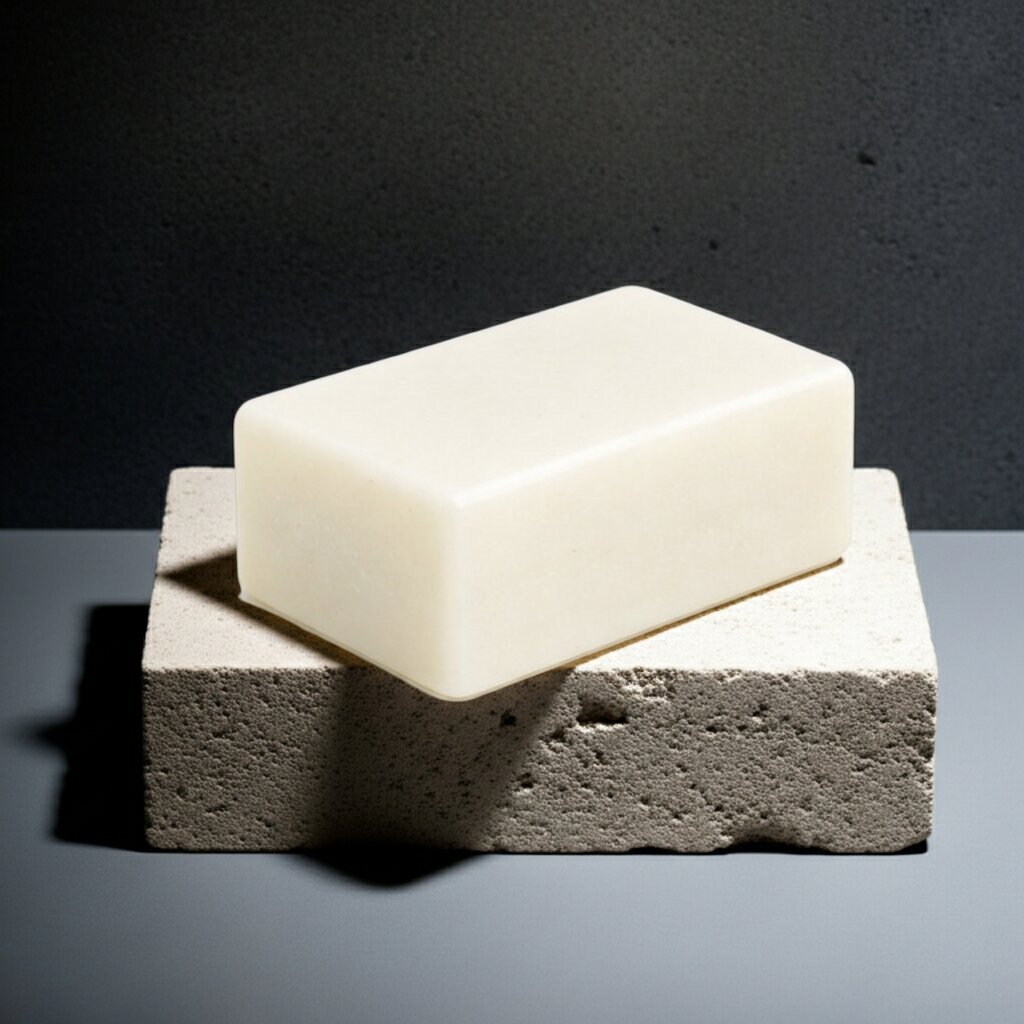
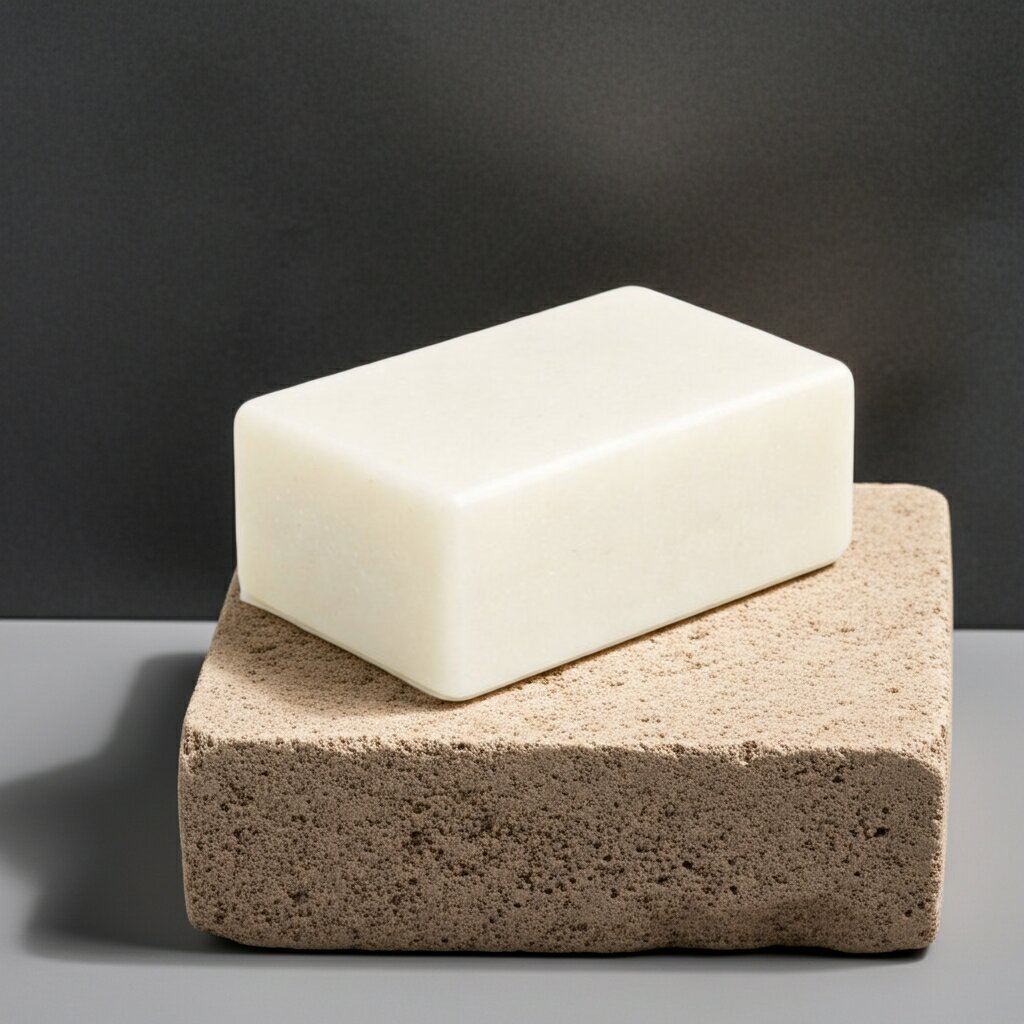
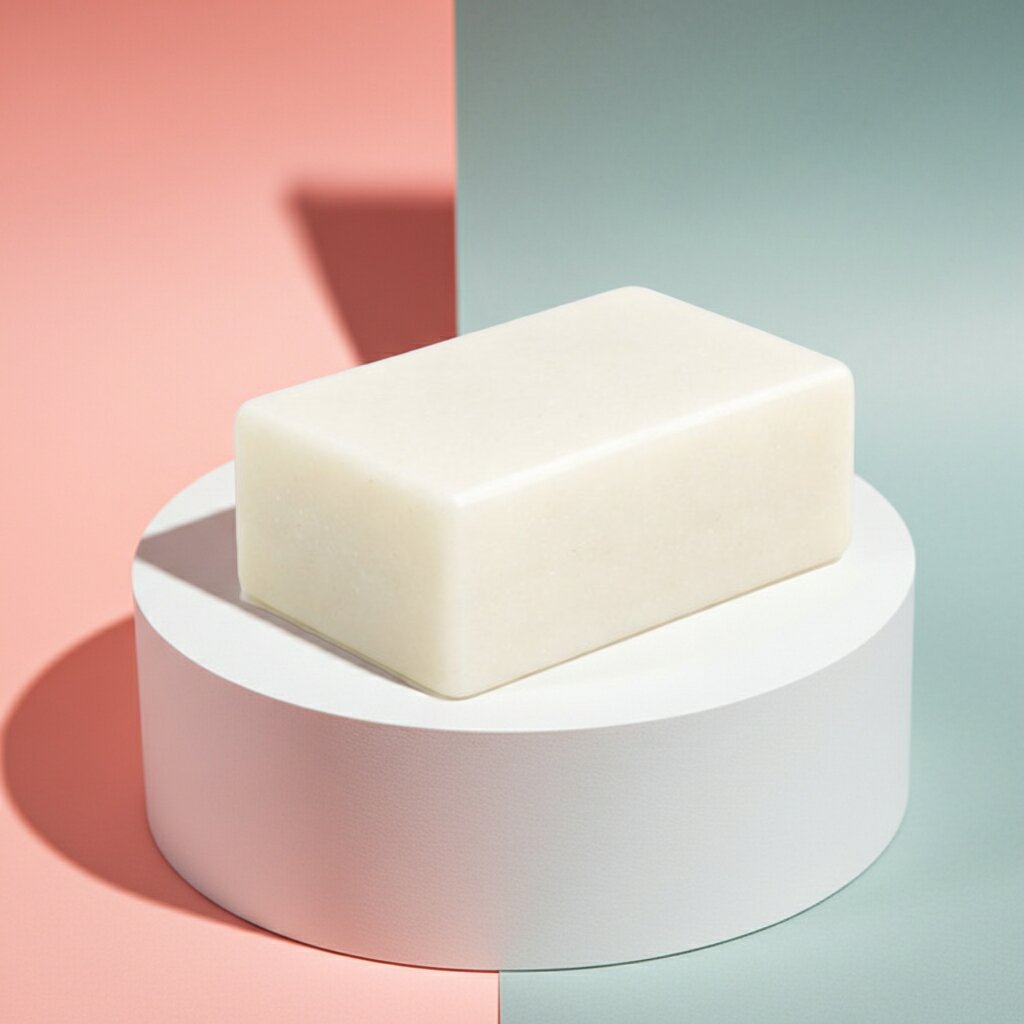
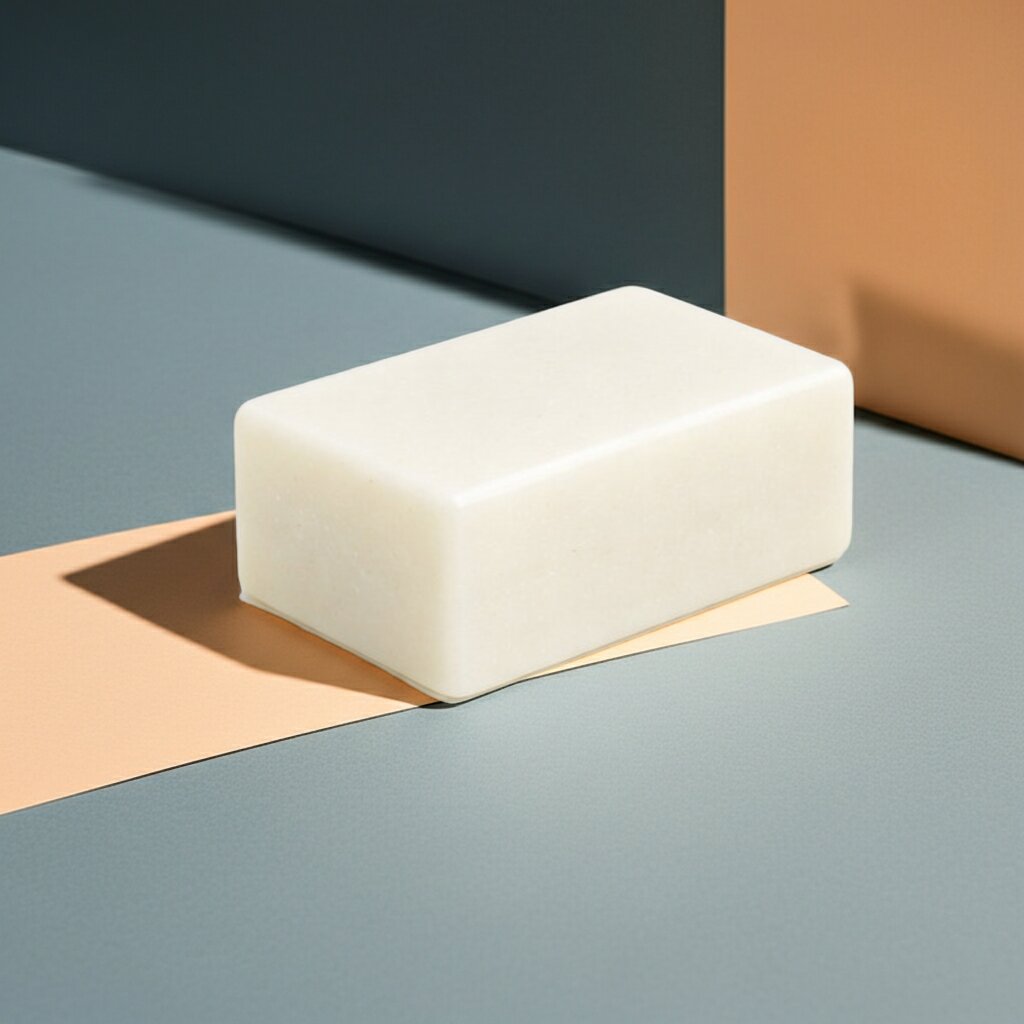
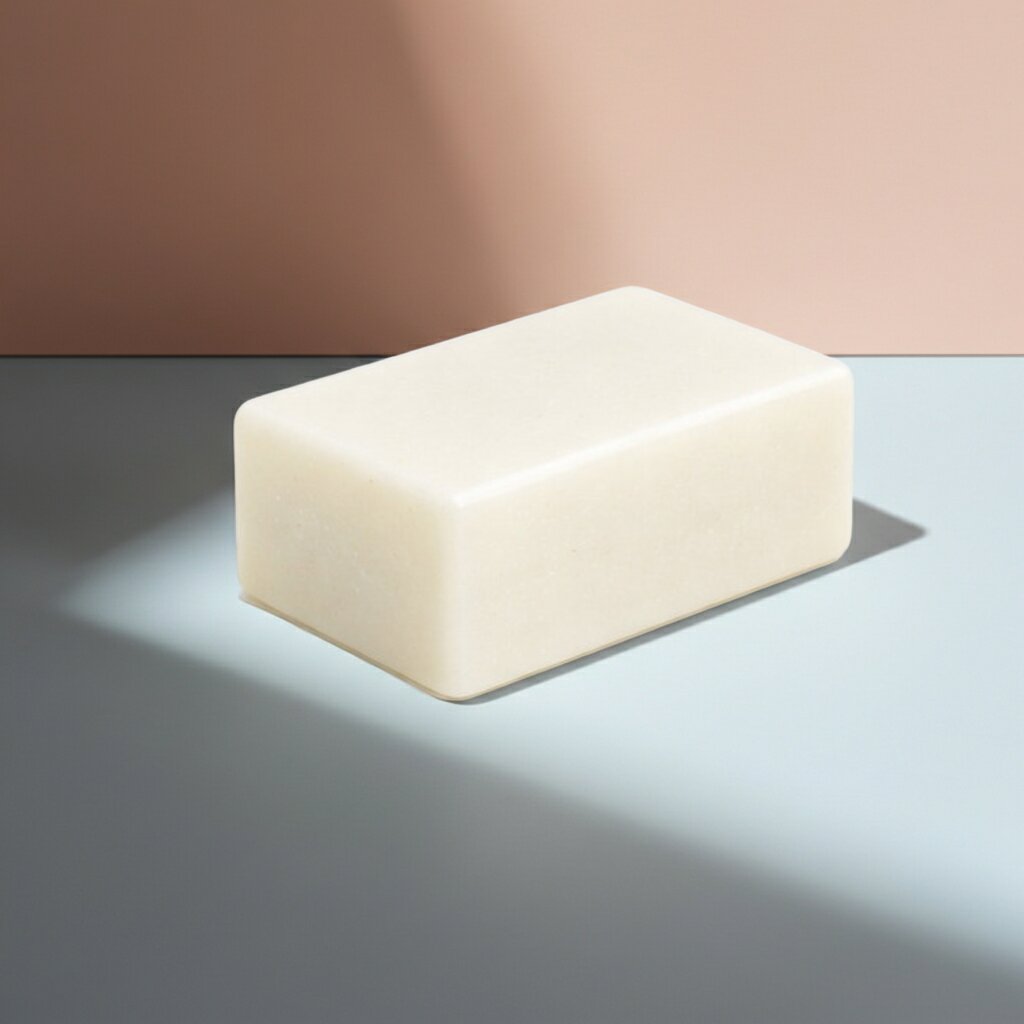
Handcrafted Tulsi Neem Soap
Price range: ₹89.00 through ₹249.00
- 70g each piece
- Deep cleanses
- Controls acne & pimples
- Soothes skin irritation
- Purifies pores
- Balances excess oil
- Fights fungal infection
- Suitable for all skin types
Description
Our Tulsi Neem soap has neem extract and tulsi extract in it, so I can fight acne. It contains antibacterial and soothing properties. If you are looking for a natural cleanser, this soap can be a good choice.
Neem Tulsi Soap Benefits:
Is Tulsi Neem soap good for your face and body?
Yes, Neem and Tulsi both contain tons of benefits. Their herbal properties refresh your skin and give a natural touch.
It may help you in reducing pimples, excess oil, and protect your skin from environmental pollution, dirt, and bacteria. The best thing is that this soap does not kill the natural moisture that makes it suitable for everyday use. It improves skin hygiene.
Tulsi is a plant with both religious and Ayurvedic significance. It has been used in Indian culture for thousands of years and remains highly popular today for its healing properties.
Based on its religious significance, people revere it as an ancient Indian deity. Indian culture has deeply rooted it, and it has attained a sacred status.
People also use it as an offering during many famous festivals. It symbolizes purity, love, and devotion. In some places, people consider giving this plant as a gift very auspicious.
Its main property is its antibacterial properties. It’s important to understand some of its unique benefits so that the general public can also use it. You’ll find mention of Tulsi in scriptures dating back nearly 5,000 years.
You can read in books like the Rig Veda, Puranas, and Charaka Samhita how much our ancient sages wrote about its benefits.
Medicinal Benefits of Tulsi:
Now let’s discuss its herbal benefits. Scientists and medical professionals call it Ocimum tenuiflorum. Ayurvedic texts consider it a very potent herb. It helps heal a variety of ailments. It is an anti-bacterial plant, which helps our bodies recover from many other diseases.
The most important thing about basil is that both its seeds and leaves provide benefits. It now depends on how you use it. Even if you don’t have its leaves or seeds, its thin wood can be used for many things.
People commonly believe that burning the smoke of its dried wood in the house kills the bacteria present in our house that are harmful to our respiratory system.
The team at Ayunatura, after seeing its multiple uses, thought of making it into soap. There are many people who don’t understand the benefits of Tulsi.
Furthermore, many simply can’t use Tulsi. This is because they either don’t have a Tulsi plant in their home. Even if they do, they have no idea how to use it, nor do they know how.
One reason for this could be that most homes plant Tulsi plants for religious reasons. As we mentioned above, devotees revere Tulsi as an ancient goddess. People place a lamp in Tulsi pots daily, and they consider plucking its leaves afterward inauspicious.
However, due to its Ayurvedic benefits, it is widely cultivated in the pharmaceutical industry. This has made it widely available to the general public as a medicine. You’ll find Tulsi tablets and Tulsi extracts at almost every medical store.
To address the public’s dilemma, we have started making it available in soap form as well, so that our skin can also benefit from its beneficial properties.
Types Of Tulsi:
There are many types of Tulsi plants. The common ones are Rama Tulsi, Krishna Tulsi, Van Tulsi, and Kapoor Tulsi. There are even more varieties of Tulsi plants, some of which are likely hybrids. And some Tulsi plants grow in different geographical conditions.
- First, let’s talk about Rama Tulsi. This is the most popular Tulsi plant, whose leaves can be slightly sweet to chew. It has small seeds and small leaves. People commonly plant this Tulsi plant in homes and also use it during festivals and as an offering.
- The second type of Tulsi we’ll talk about is Krishna Tulsi. It’s also known as Shyama Tulsi in local parlance. Its leaves are slightly larger and a lighter purple color than those of Rama Tulsi.
- Another type of basil is the Van Tulsi. As its name suggests, it grows naturally in the forest and later grows into a large tree. People don’t use it indoors.
- The fourth type of basil is camphor basil. True to its name, it has a camphor-like scent. Farmers widely cultivate and use this type of basil in the pharmaceutical industry.
Cultivation Of Tulsi:
Tulsi is incredibly easy to plant and cultivate. If you properly plant this seemingly small plant in the field, it can grow into a large tree.. Many places have large Tulsi trees, also known as “Van Tulsi.”
All you need is some Tulsi seeds, and you’ll see small leaves sprouting in a few days. It’s an easy-to-grow plant in all seasons. It’s a delicate plant when grown in a pot.
During summer, you need to water it regularly in the morning and evening to prevent it from drying out. During the rainy season and winter, you shouldn’t water it daily.
Excessive watering can rot its roots. Even during winter, its leaves can dry out due to the night humidity. Therefore, a thin cotton cloth is placed over it at night to protect its leaves from the dew.
Usage of Tulsi leaves:
- Its leaves or seeds can be boiled in water.
- It can be used to make tea.
- It can also be used to make a decoction of its leaves for colds, coughs, and flu.
Benefits of Tulsi:
- Chewing a few basil leaves daily on an empty stomach or drinking basil water improves immunity.
- It provides relief from coughs, colds, and flu.
- It also helps with acidity, gas, and stomach problems.
- It is an antioxidant and anti-inflammatory.
- It protects our bodies from disease and also removes harmful toxins.
Neem, a beneficial leaf, is used in soap by mixing it with basil. This will give you the benefits of both basil and neem simultaneously.
You may have heard that in ancient times, people used certain herbal remedies to treat any bacterial problem. Neem is one of them. Its leaves are bitter, but for the bacteria, they act as a panacea.
Keeping these beneficial aspects in mind, we have used it as a soap so that your skin can also get the same benefits. The neem tree is very huge. It generally grows in the forest.
Therefore, common people remain deprived of its properties. But with Ayunatura soap, you do not have to worry about your skin. This soap will definitely benefit your skin so that your skin-related problems can be solved.
Additional information
| Weight | 70 g |
|---|
4 reviews for Handcrafted Tulsi Neem Soap
You must be logged in to post a review.
People Also Buying
-
Sale!
Ayurvedic Soap for Dry Skin
Price range: ₹89.00 through ₹249.00 Select options This product has multiple variants. The options may be chosen on the product page -
Sale!
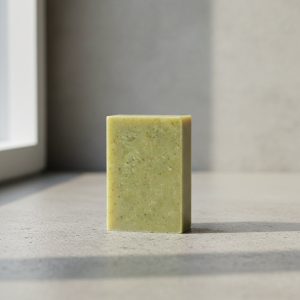
Green Gram Soap
Price range: ₹89.00 through ₹249.00 Select options This product has multiple variants. The options may be chosen on the product page -
Sale!
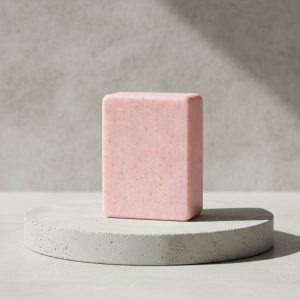
Ayurvedic Soap For Face
Price range: ₹89.00 through ₹249.00 Select options This product has multiple variants. The options may be chosen on the product page -
Sale!
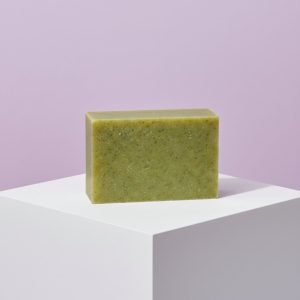
Ayurvedic Pure Neem Tree Soap
Price range: ₹89.00 through ₹249.00 Select options This product has multiple variants. The options may be chosen on the product page
mohd. nafish (verified owner) –
This soap is great for everyday bathing and keeps the skin fresh.
mahender sharma (verified owner) –
There is no harsh smell, only a clean and natural fragrance.
deepak (verified owner) –
It is very calming and comfortable on the skin.
ashok kumar (verified owner) –
It leaves my skin soft, smooth, and hydrated.